Feet, folklore and foot charts from Nottingham
The old map of the foot, and the people who drew it.
Reflexology Notts is an independent website about where reflexology came from, how its foot charts are read, and the plain everyday care our feet deserve after a day on Nottingham pavements. We write about the tradition; we do not practise it.

Where it came from
A doctor, a nurse and a century of drawings.
In the 1910s an American doctor, William Fitzgerald, described what he called zone therapy: the idea of dividing the body into ten long zones running from head to toe. It was one of many curious theories of its time.
In the 1930s Eunice Ingham, who had worked alongside a physician interested in Fitzgerald’s ideas, turned her attention to the feet and began drawing detailed maps of the soles. Her books travelled, and her pupils brought the method to Britain later in the century.
Today reflexology in the UK is a complementary therapy rather than a regulated health profession. Practitioners can choose to join a voluntary register such as the Complementary and Natural Healthcare Council, which checks training and insurance but does not judge whether a therapy works.
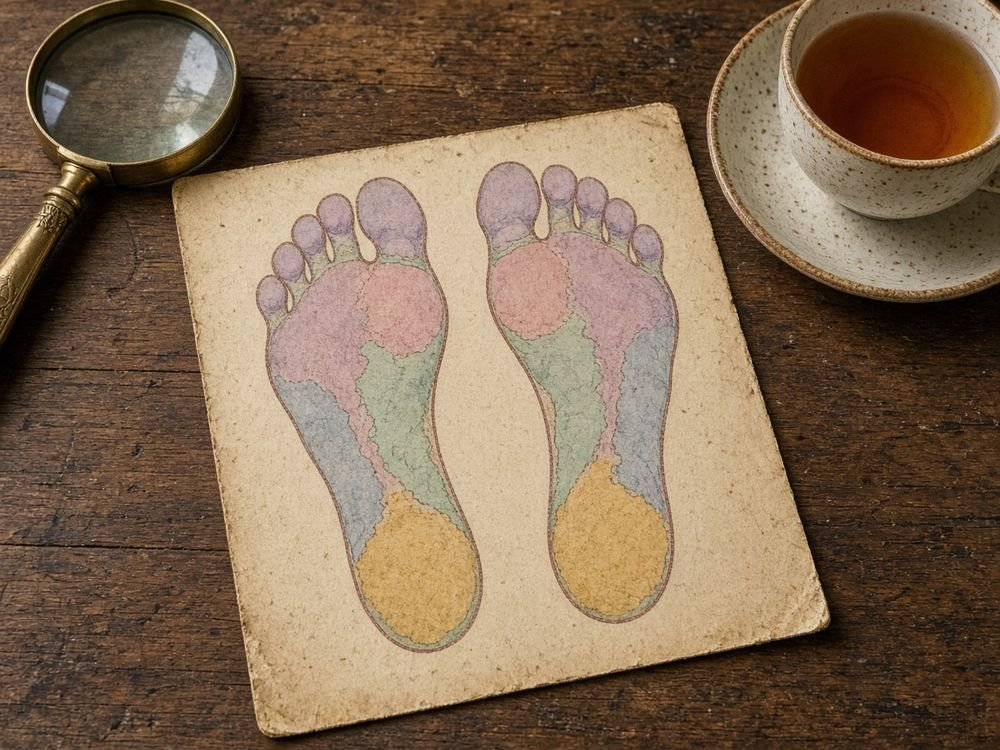
Reading an old foot chart
Every school draws the map a little differently.
A reflexology chart divides the soles, tops and sides of the feet into coloured patches, each labelled with a part of the body. Toes are usually drawn as the head, the arch as the middle of the body and the heel as the lower back.
Charts from different teachers do not always agree, and there is no good scientific evidence that areas of the foot are connected to organs in this way. We read them as a piece of twentieth-century folk anatomy, interesting in their own right.
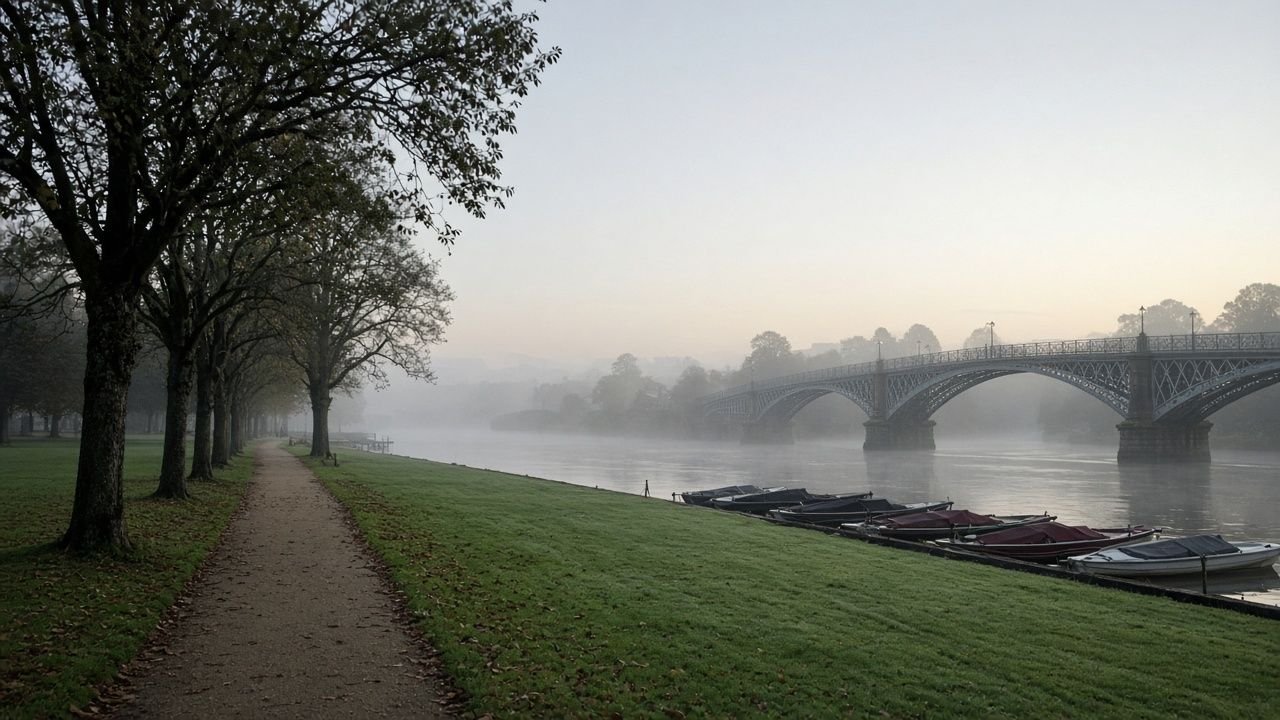
Walking the Trent
Twenty minutes on the Embankment.
The flat paths along the River Trent, from the Victoria Embankment towards Trent Bridge and out to the countryside beyond, are some of the easiest walking in the city. Good shoes, dry socks and a steady pace are kinder to feet than any chart.
A city that dressed the world’s feet
Stockings, lace and the frame from Calverton.
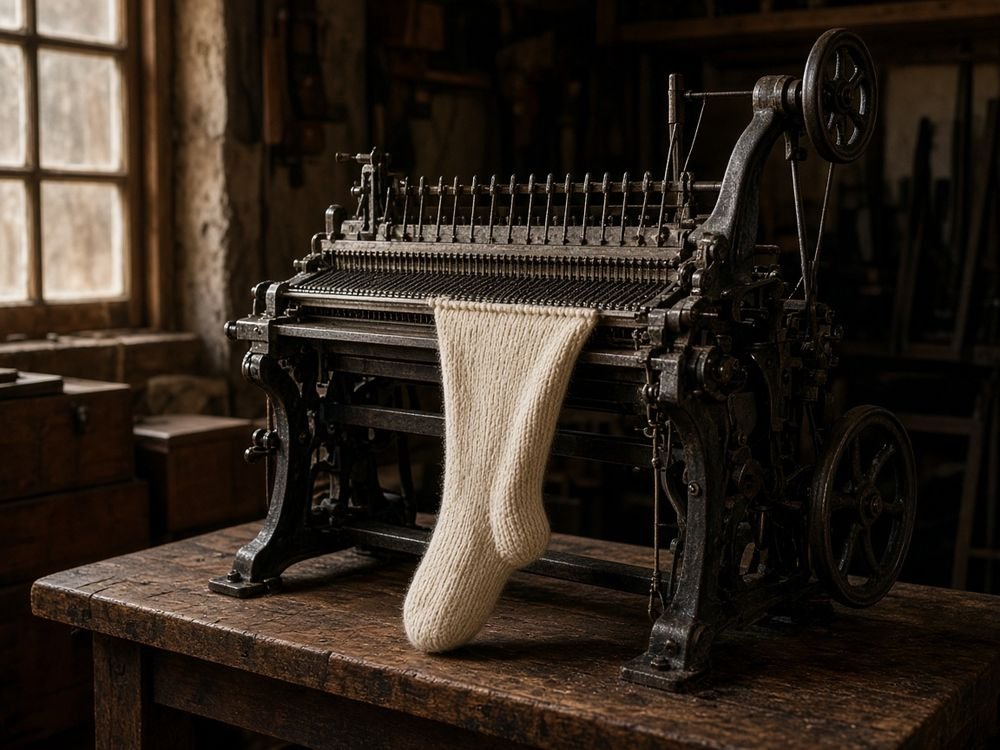
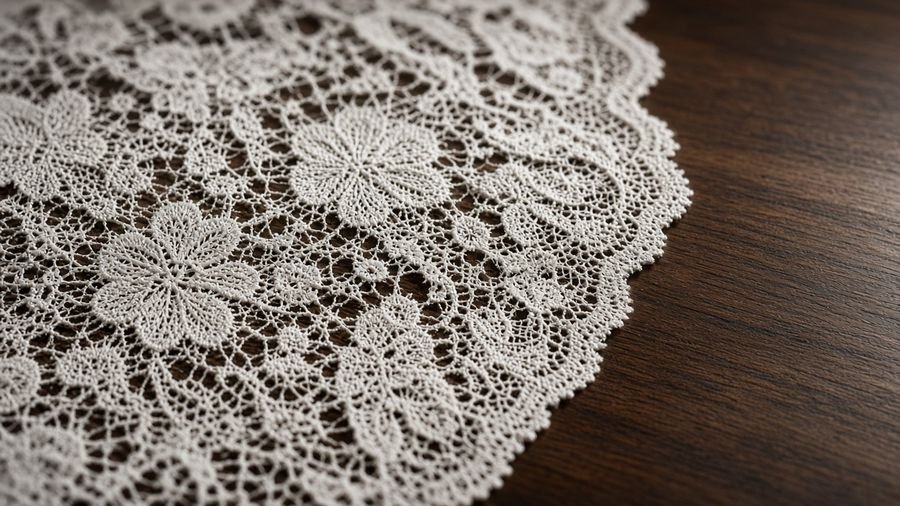
In 1589 William Lee, a clergyman from Calverton just north of Nottingham, built a knitting frame that could make stockings far faster than hand knitting. Framework knitting spread through the county, and by the nineteenth century Nottingham was famous for hosiery and machine lace, much of it traded from the warehouses of the Lace Market.

At the end of the day
Wash, dry between the toes, moisturise the heels.
- Wash daily in warm water rather than long hot soaks.
- Dry carefully, especially between the toes.
- Moisturise dry heels, but not between the toes.
- Cut nails straight across and not too short.
These are the everyday habits the NHS describes. Pain, wounds that do not heal, or numbness are reasons to see a GP or podiatrist.
If you are curious about a session
What usually happens, described plainly.
- A conversation first. A practitioner normally asks about your general health and why you are interested.
- Shoes and socks off. You stay fully clothed, usually in a reclining chair, with your feet supported on a cushion.
- Pressure with the thumbs and fingers. They work across the feet using the chart as their guide, for perhaps forty minutes to an hour.
- Your GP still comes first. Reflexology is not a substitute for medical care, and any symptoms deserve a proper check.

Grass under your feet
Deer, lawns and a long loop of parkland.
Wollaton Park, on the west of the city, has red and fallow deer and wide lawns around its Elizabethan hall. A slow loop on soft ground is a pleasant change from pavements, and a good place to notice how your feet feel at the end of a walk.
By the back door
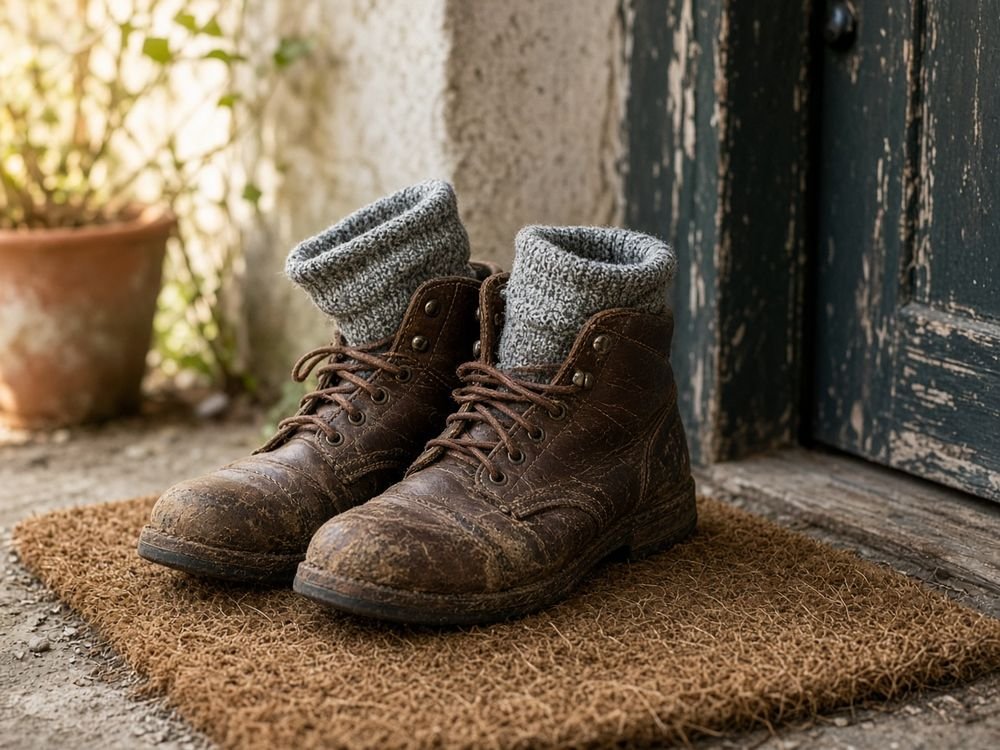
The right boots do more than any rub.
Shoes that fit well, with room for the toes, a supportive sole and a heel that does not slip, prevent most everyday foot trouble. Change damp socks, let boots dry away from direct heat, and try new shoes on in the afternoon, when feet are slightly larger.
Into Sherwood
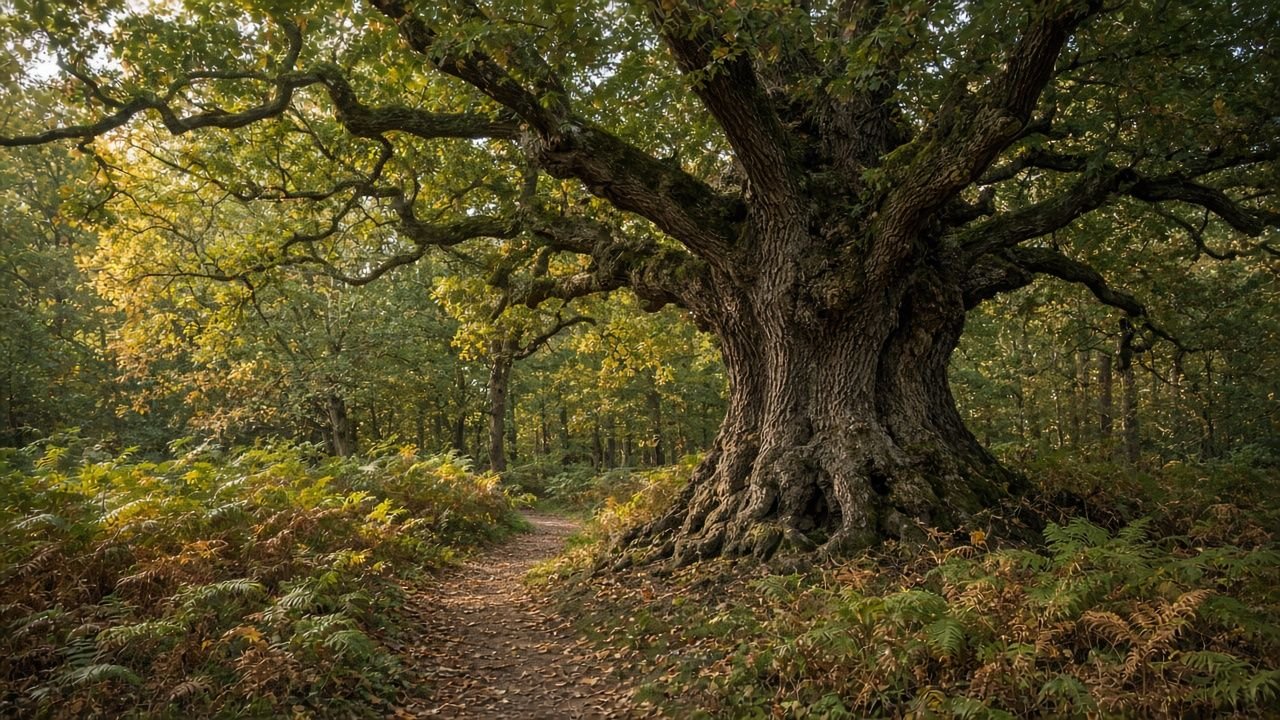
Walk out to the Major Oak.
The famous old tree in Sherwood Forest is thought to be many centuries old. It is a fine reason for a long walk, and a fine reason to look after the feet that take you there.